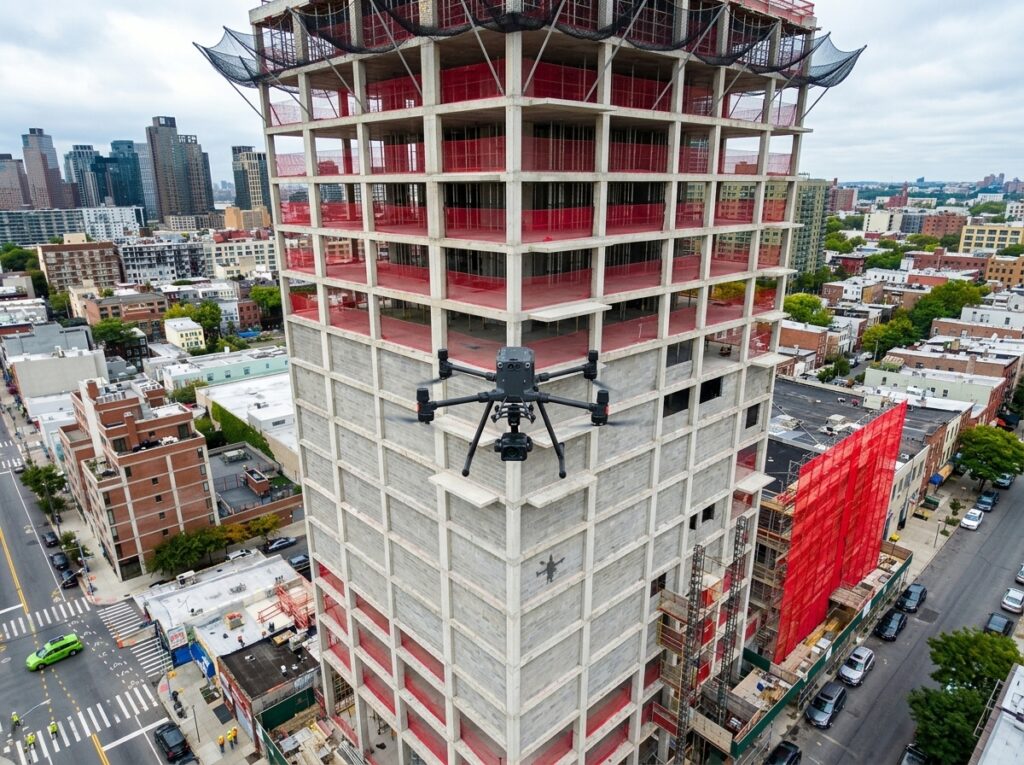
You’ve likely faced costly repairs after missing early signs of facade damage. Traditional inspections can’t keep up with hidden cracks or moisture lurking beneath surfaces. Drone facade inspection changes the game by combining sharp aerial imagery and thermal imaging to spot issues before they escalate. Ready to see how this technology protects your building’s future? Check it out here.
Drone Technology in Building Inspections
Embracing drone technology in building inspections offers a fresh perspective. Let’s explore how these flying marvels redefine your building’s safety and maintenance.
Advantages of UAV Inspection Services
Drones reach places humans cannot. This means you get a detailed view of high and hard-to-reach areas without risking safety. In a single flight, drones gather more data than a team of inspectors. Drone facade inspection is faster and often more cost-effective. Imagine inspecting a skyscraper without the need for scaffolding or cranes. This efficiency translates into faster assessments, saving you both time and money.
Moreover, drones can operate in various weather conditions, ensuring inspections aren’t delayed due to rain or wind. With their agility, they offer a continuous stream of data, which means real-time insights into your building’s condition. This proactive approach helps in early damage detection, reducing long-term repair costs.
High Resolution Aerial Photography Benefits
High-resolution images capture every detail of your building’s facade. This isn’t just about pretty pictures. It’s about precision. These images offer a clear view of potential issues, like cracks or displaced materials. With such clarity, decision-makers can quickly assess the urgency of repairs.
You might wonder: what if I miss something? That’s where high-resolution imagery shines. It records every inch, allowing experts to review and analyze as needed. This documentation provides a visual history, aiding in future assessments. High resolution aerial photography not only supports accurate analysis but also boosts confidence in your building’s safety.
Ensuring Safety with Drones
Safety is paramount. Drones eliminate the need for inspectors to climb ladders or hang from ropes. This reduces accidents, making inspections safer for everyone involved. With drones, inspections are not only thorough but also safe.
Every flight is planned meticulously. Certified pilots ensure that each inspection adheres to strict safety standards. This means you get top-quality data without compromising on safety. By choosing drones for your building facade inspection, you’re prioritizing both safety and accuracy.
Advanced Imaging Techniques
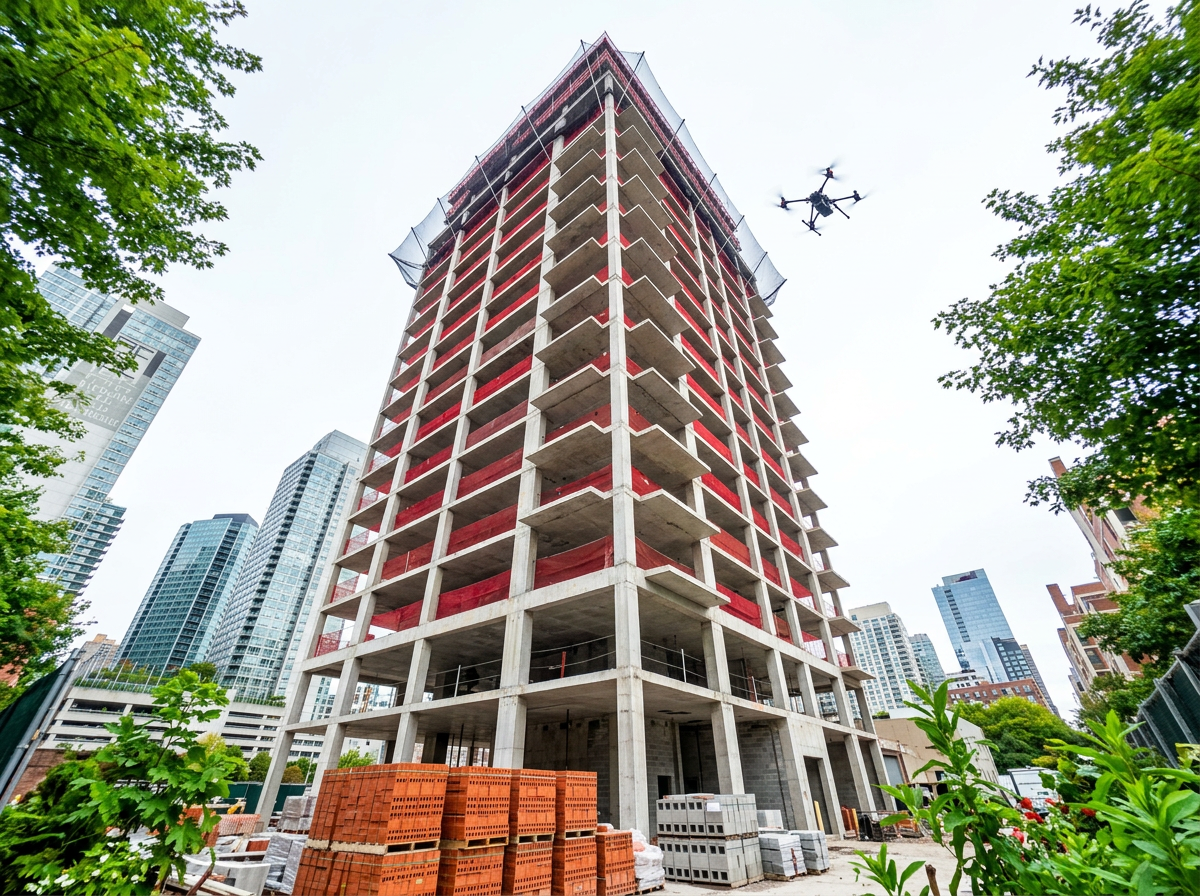
Advanced imaging techniques make drone inspections a powerful tool. Let’s dive into the specialized methods that drones use to provide you with comprehensive building insights.
Radiometric Thermal Drone Capabilities
Thermal imaging is like having X-ray vision for buildings. These drones detect heat variations, revealing hidden moisture or insulation issues. Often, moisture intrusion is invisible until it’s too late. Thermal drones catch these issues early.
Imagine a drone detecting a leaky roof before it causes extensive damage. This proactive approach prevents costly repairs. Radiometric thermal drones provide data that goes beyond what the naked eye can see, ensuring no stone is left unturned.
Photogrammetry Facade Mapping Insights
Photogrammetry facade mapping creates detailed 3D models of your building. These models help visualize and measure facade elements accurately. A 3D model offers insights into structural conditions that traditional methods might miss.
With these models, experts can analyze the building’s structure in unprecedented detail. This means more informed decisions about maintenance and repairs. It’s not just about seeing; it’s about understanding every aspect of your building’s exterior.
Crack Detection Drone Features
Cracks can be deceptive, appearing harmless at first. Drones equipped with specialized cameras identify even the smallest cracks. Early detection is crucial to prevent significant damage down the line. These drones provide a structural condition assessment that keeps you a step ahead.
By continuously scanning and recording data, drones ensure no crack goes unnoticed. Regular drone inspections mean you can address issues before they escalate, maintaining the integrity of your building over time.
Practical Applications and Benefits
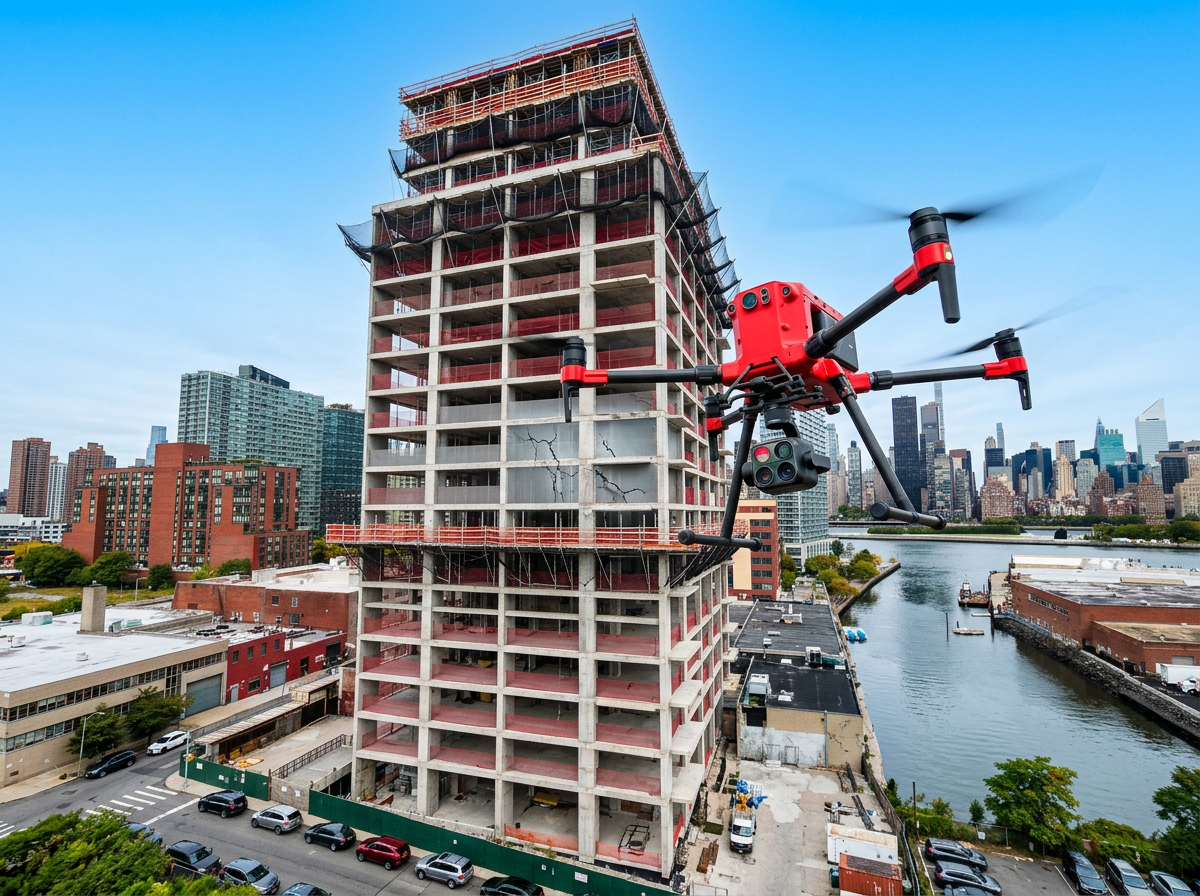
Drones offer practical solutions to age-old problems. Discover how they tackle common challenges in building maintenance.
Moisture Intrusion Detection Explained
Moisture is a silent threat to building health. Drones equipped with sensors detect moisture before it becomes visible. This early intervention saves on repairs and extends the building’s lifespan.
With early moisture intrusion detection, you prevent mold growth and structural weakening. Regular checks ensure your building stays dry and safe. This proactive maintenance keeps your property in top condition.
Concrete Spalling Inspection Methods
Concrete spalling can compromise safety. Drones inspect large areas quickly, identifying spalling before it poses a risk. These inspections are thorough, covering every inch of concrete surfaces.
Regular drone checks mean proactive management of spalling. By addressing issues early, you maintain the structural integrity and safety of your building. Drone inspections are an essential tool for modern building maintenance.
Scheduling a Preventive Maintenance Inspection
Proactive maintenance is key to long-term building health. Scheduling regular drone inspections ensures you catch issues early, preventing costly repairs. The longer you wait, the more potential for damage.
By integrating drone technology into your maintenance routine, you benefit from detailed insights and timely interventions. It’s a small investment for significant peace of mind. Ready to see how drones can keep your building in peak condition? Reach out to us today.
Discover how 3-D modeling and facade inspections unlock new project potentials.